Thursday, 26 July 2012

Audience with a Purple Emperor

male Purple Emperor, Apatura iris

This morning at 9:30 I met Mark at the Alice Holt Forest Straits Enclosure, feeling that this was my best chance of an encounter with a Purple Emperor on the ground. I was delighted when one appeared, although the male had damage to one wing tip. Mark sprayed evil smelling liquid on the ground and this attracted the butterfly away from the unattractive alternative that a dog had left behind. We were joined by three other butterfly enthusiasts. There were many Silver-washed Fritillaries, some Ringlets, Speckled Woods and White Admirals. 
male Purple Emperor, Apatura iris

male Purple Emperor, Apatura iris


path in Straits Enclosure
deer towers

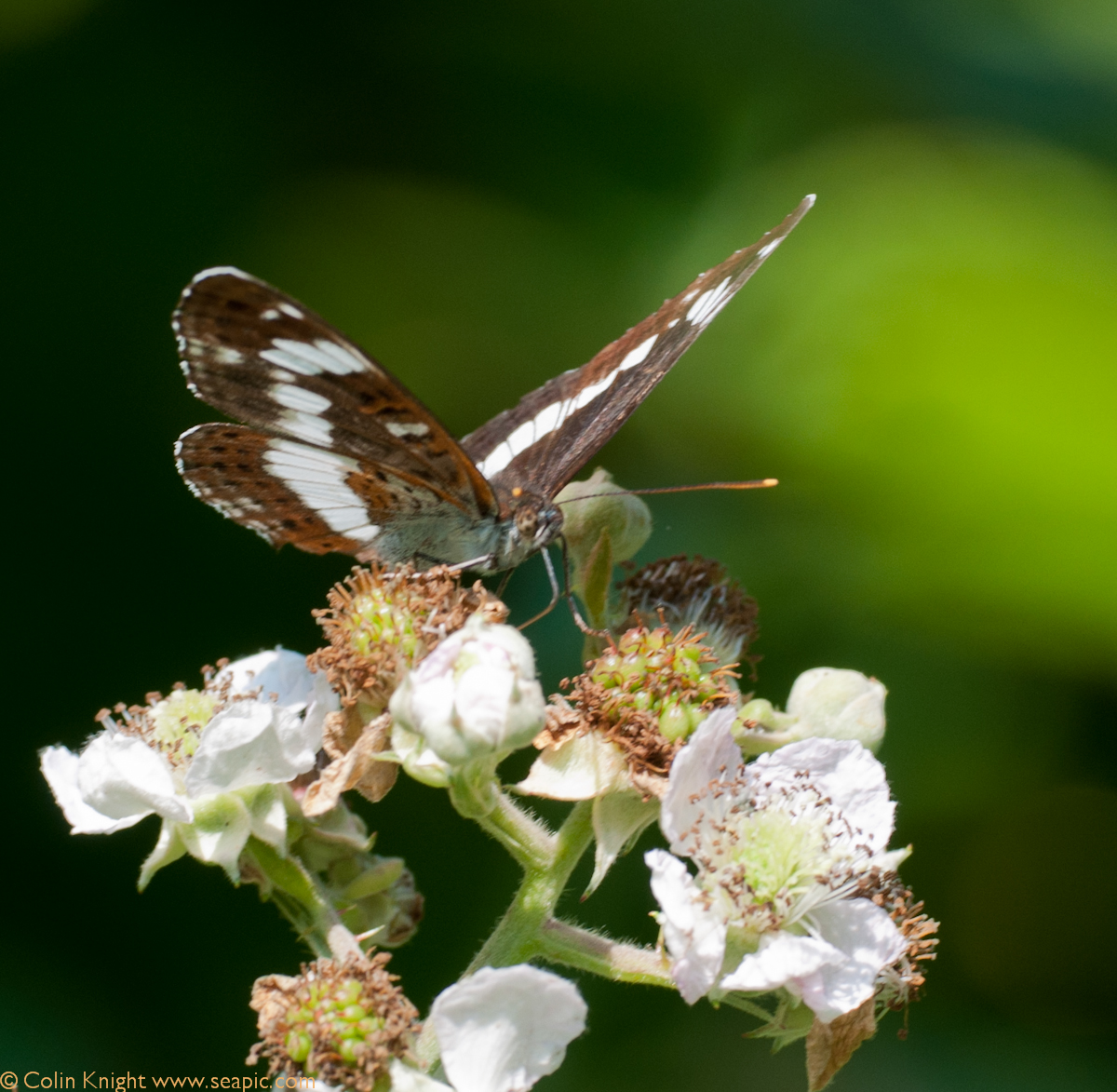
White Admiral, Limenitis camilla
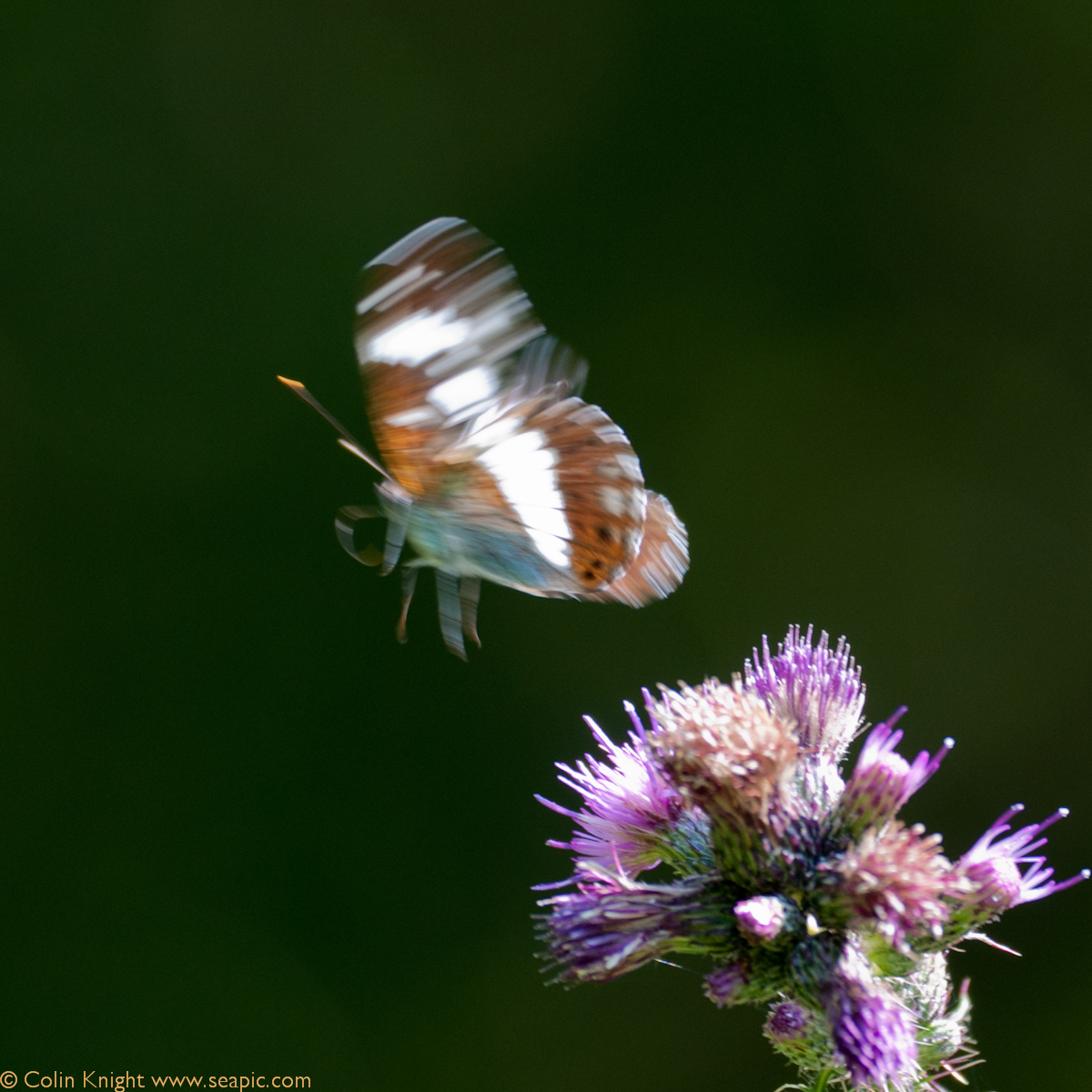
White Admiral take-off
White Admiral taking salts from dog faeces

White Admiral, Limenitis camilla


Wednesday, 25 July 2012

more Graylings

This morning I once again visited Windover Hill to find more Graylings as yesterday was so successful. I arrived at about the same time, 10:30am and immediately saw Graylings flying. I stayed on top of the hill and could see Steve and Maggie and also Bob on the lower slope in pursuit of the Grayling. Grayling activity slowed down from noon when I noticed that the Graylings flew into shaded places and stayed put. Around 2pm they started flying again. Once again one flew around me and landed on my trousers, and later landed on my hand to take salts. Before I left I met Derek and Pauline who had arrived to enjoy the show.
  On the way back I found a pair of mating Dark Green Fritillaries. The virgin female was pristine and he was a sad old thing, but  intent on doing the business. There were a few Small Coppers and some Six-spot Burnet moths on the top meadow. On the way home I visited the Newhaven Nature Reserve and saw Marbled Whites, Meadow Browns and Gatekeepers.
When I got up this morning I noticed a tick on my leg that I had picked up yesterday. I carefully removed it with sharp pointed tweezers and a magnifying glass as shown in this video: http://www.youtube.com/watch?v=0wotB38WrRY
Grayling, Hipparchia semele
Grayling on my trouser leg
Grayling sheltering in chalk hole
Grayling on my hand

Grayling on gorse


Dark Green Fritillaries mating, Argynnis aglaja
Dark Green Fritillaries mating, fresh female on left

Six-spot Burnet, Zygaena filipendulae
rose growing among grass at Newhaven

Tuesday, 24 July 2012

Grayling Festival at Windover Hill

Grayling, Hipparchia semele

This morning Windover Hill beckoned after reading that the Grayling were out. A wonderful walk from the car park along the South Downs Way gives great views. The many Chalkhill Blues fluttering around give the walk a surreal feel. 
  As soon as I arrived on the side of the Grayling valley I saw one flying and gliding with its distinctive V wing shape. There were many light coloured Dark Green Fritillaries on the hillside. This was the best year I have had for photographing the Graylings. They landed on stumps of bushes and leaves and stayed put while I put a camera in their faces - amazing. It must be the heat and light wind. 
  I met Steve, and while we talked a Grayling landed on his shorts. Jim was also patrolling the hillside. None of us saw a Silver-spotted Skipper, they should be out soon. A Grayling flew around me, landed on my hand and took salts from my sweat. It then flew off and landed on my shoulder. A wonderful experience!
  I also saw Marbled Whites, Small Whites, a Red Admiral and Meadow Browns. The Yellow Pearl moth, Mecyna flavalis, was plentiful This rare moth inhabits chalk habitat in Southern England.
Grayling, Hipparchia semele
Grayling on Steve's shorts
Grayling on a leaf


Grayling with flash

eyespot goes up briefly when threatened
taking salts from my hand


Grayling, Hipparchia semele. This unfortunate specimen is malformed
Cockchafer, Melolontha melolontha
I didn't see this mating pair until I looked at the photo. So that's what he was looking for in  the vegetation.
Round-headed Rampion, Phyteuma orbiculare
Six-spot Burnet, Zygaena filipendulae
Small White, Pieris rapae
Yellow Pearl moth, Mecyna flavalis